The Hiring Reset: What Smart Companies Are Doing Differently in 2026

Lizzette Weber • December 29, 2025

Hiring didn’t break. The strategy did.


As we move deeper into 2026, many organizations are still using hiring playbooks designed for a very different market. One with predictable pipelines, longer tenures, and less pressure on leadership bandwidth.


Today’s reality looks different:

  • More applicants, but fewer right candidates
  • Faster processes, but higher mis-hires
  • Competitive pay, but ongoing retention issues


According to LinkedIn’s Future of Recruiting report, over 70% of talent leaders say the biggest challenge isn’t sourcing candidates, it’s finding candidates with the right capabilities and long-term fit.

The companies winning right now aren’t hiring more. They’re hiring smarter.


The Reality Check


If hiring feels harder than ever, you’re not imagining it.


Recent workforce research shows:

  • The average time-to-fill critical roles has increased by 20–30% in the last two years (LinkedIn Talent Insights)
  • McKinsey reports that misaligned hiring decisions are a top contributor to productivity loss and leadership burnout
  • Nearly 1 in 3 new hires leaves within the first year due to role mismatch or unclear expectations (Gallup)


What’s often labeled a “talent shortage” is usually a strategy gap, unclear success metrics, reactive hiring, and misalignment between business needs and role design.


The 3 Shifts Smart Companies Are Making

From Job Descriptions → Outcome-Based Roles


High-performing organizations are redefining roles around impact, not just responsibilities.


Instead of asking:

“What skills do we need?”

They ask:

“What does success look like at 90, 180, and 365 days?”


Organizations that clearly define performance outcomes see up to 2x higher new-hire performance and significantly faster ramp-up times (Gartner).


Clarity here improves:

  • Candidate quality
  • Interview alignment
  • Long-term retention


From “Urgent Hire” → Workforce Planning

Reactive hiring is expensive, financially and culturally.


Gartner estimates that unplanned hiring increases total labor costs by up to 40% when factoring in turnover, lost productivity, and leadership time.


Smart companies are:

  • Forecasting talent needs 6–12 months ahead
  • Identifying roles tied to growth vs. turnover
  • Building internal pipelines before roles open


The result? Fewer surprises. Stronger continuity. Better teams.


From Recruiters → Talent Advisors


The role of recruiting is changing.


According to LinkedIn, organizations that treat recruiting as a strategic advisory function, not a transactional one, are significantly more likely to meet hiring goals and reduce early attrition.


High-impact talent partners:

  • Challenge unrealistic role expectations
  • Align compensation with real market data
  • Design hiring processes that reduce risk


Filling a role is easy. Building the right role is where the value lives.


What We’re Seeing Across the Market


From our work with growing organizations, several patterns consistently appear:

  • Roles stall when success metrics are unclear
  • Candidates disengage when leadership structure isn’t defined
  • Retention issues often trace back to rushed onboarding, not compensation


Gallup reports that 70% of employee engagement is directly influenced by managers and early role clarity, long before pay becomes a factor.

In many cases, the hire wasn’t wrong. The setup was.


Before You Open Your Next Requisition, Ask This:


1️⃣ What business problem does this role actually solve?

2️⃣ How will we measure success in the first 6 months?

3️⃣ Are we hiring because of growth — or burnout?


Organizations that answer these questions upfront reduce early attrition by up to 50%.


The most successful teams in 2026 aren’t chasing talent. They’re building environments where the right talent can succeed.


If hiring feels heavier than it should, it’s often not a talent issue, it’s a strategy reset waiting to happen.



By Lizzette Weber February 19, 2026
Your workforce is changing — roles, expectations, and care delivery models are evolving faster than ever. The organizations that thrive aren’t the ones reacting later, but the ones planning now. Workforce planning isn’t just about forecasting headcount. It’s about aligning every hiring decision with your business goals — reducing turnover, maximizing ROI, and ensuring the right people are in the right roles at the right time. At Talent Connect, we’ve seen a clear trend: organizations that invest in proactive workforce planning see up to 25% lower turnover and significantly reduced vacancy costs within their first year. Here’s what’s working across the healthcare and senior living organizations we support: 1. Internal Talent Is Your Most Affordable Strategy Replacing an employee costs 30%–200% of their annual salary . But 70% of employees say they’d stay longer if their organization invested in their career growth. Those numbers tell a simple truth: retention beats replacement — every time. What this means for you: Identify high-potential staff early Create clear internal mobility pathways Reskill instead of replace when roles shift When organizations take this approach, the results are tangible. One senior living provider we supported in California cut its turnover rate by 40% in one year after launching a “Grow Within” initiative — pairing emerging leaders with mentors and offering internal certification programs. The outcome? Lower recruiting costs, shorter onboarding, and a stronger, more cohesive culture. Pro Tip: Instead of waiting for resignation notices, schedule quarterly “career pathing” conversations. Employees who can visualize a future with your organization are far less likely to look elsewhere. 2. Skills-Based Hiring Increases Qualified Candidate Flow Organizations removing degree requirements are seeing: 2–5x increase in qualified applicants More diverse candidate pools Faster time-to-fill (from 60+ days down to 21–35 days in healthcare and admin roles) In a labor market where skills evolve faster than job titles, focusing on capability over credentials helps you tap into a broader, more adaptable talent pool. For example, instead of requiring “5 years in senior living,” evaluate: Communication and empathy skills Team leadership experience Regulatory familiarity Problem-solving ability You’re hiring for what someone can do , not just where they’ve been . Case in point: A large outpatient network we advised implemented skills-based screening for care coordinators and increased candidate quality scores by 35%. Those hires stayed longer — and performed better — than those hired under traditional experience filters. Pro Tip: Review your job descriptions quarterly. If they emphasize credentials over competencies, you may be unintentionally screening out your best future hires. 3. Role Mapping Helps You Avoid “Crisis Hiring” Crisis hiring happens when turnover outpaces planning. By analyzing which roles are: ✔ expanding ✔ consolidating ✔ at risk ✔ or becoming hybrid —you can anticipate change before it disrupts operations. Role mapping gives you clarity on: Which positions to recruit for now Which to develop through internal training Where to reallocate staffing budgets for greatest impact Most organizations skip this step — and end up paying the price later through agency labor or burnout-driven turnover. One example: A 200-bed skilled nursing facility identified that their admissions coordinator role was evolving into a community liaison hybrid. By redefining the role and upskilling their existing staff before turnover occurred, they saved over $75,000 in recruiting and overtime costs in one year. Pro Tip: Pair your HR data with input from department heads. Data shows you trends, but leaders show you operational realities — both are essential to plan effectively.  4. Talent Connect’s Workforce Planning Support We partner with leadership teams to design workforce strategies that reduce chaos and cost. Here’s how we do it:
By Lizzette Weber February 18, 2026
In today’s talent market, standing out isn’t optional—it’s strategic. As roles evolve, competition increases, and candidate expectations shift, organizations can no longer rely on traditional recruiting tactics. What truly sets employers apart now is a clear, compelling, and authentic Value Proposition - one that resonates with the right candidates and keeps high performers engaged long-term. At Talent Connect, we’re seeing a growing need for businesses to sharpen how they communicate who they are and why the right talent should choose them. Inspired by insights from SHRM talent strategist Kara Yarnot, here’s how organizations can elevate their employer brand and strengthen their recruiting strategy through a Unique Value Proposition (UVP). Why Your Unique Value Proposition Matters More Than Ever A UVP is more than a polished employer brand statement. It is the guiding message that shapes how potential employees perceive your company—your culture, your opportunities, and your long-term vision. In today’s hiring landscape, candidates are not only researching— they’re evaluating . They want clarity, purpose, and connection. A strong UVP helps you: • Attract high-quality candidates who align with your mission and values • Reduce turnover by setting accurate expectations from the start • Strengthen your employer brand in a competitive talent market • Improve recruiting efficiency by drawing in the right talent (not just more applicants) • Differentiate your organization from industry competitors This is the foundation of modern talent acquisition and sustainable workforce strategy . The Core Ingredients of a UVP That Works A compelling Value Proposition should be: 1. Clear and Focused Cut the corporate jargon. Candidates want to understand what you stand for, quickly. 2. Authentic Overstating perks or culture only damages trust later. Transparency wins every time. 3. Candidate-Centered Speak to the experience of working with you—not just the job description. 4. Backed by Evidence Support claims with real stories, employee testimonials, and internal data. 5. Consistent Across All Touchpoints From career pages and job postings to social media and onboarding—your message should align. Where Most Companies Miss the Mark Many employers talk about flexibility, culture, and growth—but fail to articulate what makes their version uniquely valuable. The biggest gaps we see: • Generic statements that sound like everyone else • Value propositions built internally without input from current talent • Inconsistent messaging between hiring teams, HR, and leadership • Underleveraged employer branding opportunities on social media • Job postings that don’t reflect the real employee experience Candidates notice these mismatches immediately—and they move on. How to Start Sharpening Your UVP Today Here are practical questions to guide your refinement process: What do your top performers consistently say they appreciate about working here? Dig into feedback, engagement surveys, and exit interviews. What differentiates your team, culture, or mission from competitors in your industry? Think beyond surface-level perks. What problems are candidates trying to solve by joining a new employer—and how do you answer them? Focus on purpose, growth, stability, leadership style, or innovation. What proof points can you showcase to validate your claims? Stories sell. Data supports. Together, they build trust. The Bottom Line A Unique Value Proposition is no longer a “nice to have”—it’s a strategic recruiting asset that directly impacts hiring success, retention, and organizational growth. When you clarify and communicate what truly makes your workplace stand out, you attract people who will thrive, stay longer, and contribute at a higher level.  At Talent Connect, we partner with organizations to build smarter, more intentional recruiting strategies , helping turn their authentic identity into their biggest competitive advantage.
By Lizzette Weber January 6, 2026
In this issue, we’re spotlighting actionable trends, practical strategies, and predictions to help you shape stronger teams and competitive talent practices this year.  1. Top Workforce Trends Shaping 2026 🔹 Demand for adaptable talent continues to rise Employers are prioritizing skills that drive resilience — critical thinking, cross-functional collaboration, and continuous learning. Hybrid and remote-work models continue to evolve into flexible work ecosystems where autonomy and accountability matter. 🔹 Talent shortages persist — so retention is non-negotiable A majority of companies polled in 2025 still struggle to fill key roles, despite increasing compensation budgets. In 2026, keeping your best people might matter more than finding new ones. 🔹 Employee experience drives productivity Research shows that positive workplace culture measurably boosts engagement and reduces turnover — employees are 68% less likely to leave workplaces that prioritize experience. 2. Strategic Talent Moves for 2026 Workforce Planning Isn’t Optional Reactive hiring falls short — strategic workforce planning allows you to anticipate gaps, build internal pipelines, and unlock internal mobility faster than competitors. Action Item: Conduct a talent forecast by department this quarter and map skills needed now vs. needed in 12–18 months. Upskill for Today & Tomorrow Upskilling isn’t just a buzzword — it’s a core driver of retention and employer brand strength. Build programs that grow leadership competencies and technical skills in parallel. Pro Tip: Pair mentorship with structured learning pathways for measurable outcomes. Put Culture at the Center of Your Strategy Culture isn’t perks — it’s predictability, trust, and opportunity for growth. Create frameworks where employees clearly understand what success looks like and how they get there. 3. Candidate Corner: Your Talent Wants This in 2026 ✦ Clarity on career pathways — Employees want transparent growth plans. ✦ AI-Augmented Work — People want tools that amplify, not replace, human potential. ✦ Flexible but purposeful work modes — Autonomy balanced with designed collaboration. These expectations are shaping candidate decisions more than compensation alone. 4. Workforce Insight Spotlight AI + Human Intelligence: AI is transforming workforce analytics — but high-impact organizations use it to inform human decisions, not replace them. Use predictive analytics to forecast turnover, identify skill gaps, and optimize staffing for peak performance. Diversity, Equity & Inclusion: DEI isn’t an add-on; it’s foundational. Inclusive workplaces outperform on engagement, innovation, and retention — and they signal trust to the market. Stay Connected Want more insights like this? Follow Talent Connect’s Workforce Pulse on LinkedIn for regular updates, data-backed wisdom, and timely career and HR leadership tips. Here’s to a bold, innovative year shaping the future of work. — The Talent Connect Team
By Lizzette Weber December 11, 2025
For many professionals, job searching feels less like an exciting new chapter and more like a second, exhausting job. Applications vanish into the black hole of applicant tracking systems, interviews stall, and the waiting game drags on. The reality: Over 75% of resumes never reach a human recruiter because they’re filtered out by ATS. The average job opening attracts 250+ applicants , but only 4–6 are interviewed. 85% of jobs are filled through networking —not job boards. No wonder job seekers feel burned out. Where We See Candidates Struggle (Again and Again) At Talent Connect, we hear these frustrations every day: Sending countless resumes with no response Feeling stuck in roles that no longer inspire Struggling to stand out to recruiters and hiring managers The truth? Success in today’s job market isn’t about applying harder—it’s about strategy and positioning . Breaking the Cycle with ElevateU The hiring landscape has changed. Technology filters, fierce competition, and outdated job search tactics leave too many talented professionals invisible. That’s why we created the ElevateU Masterclass —a 12-module system that equips professionals to: Position themselves to bypass ATS filters Build recruiter-ready resumes & LinkedIn profiles Approach interviews with confidence and clarity Connect directly with hiring managers (without endless applying) Align career moves with values, skills, and goals Future-proof their careers for long-term success It’s not about sending more applications. It’s about sending the right ones , with the right positioning. A Quick Strategy You Can Use Today Instead of applying to 50+ jobs this week, try this: Make a list of 10 target companies . Update your LinkedIn headline with keywords aligned to your next role . Connect with 1–2 hiring managers or recruiters from those companies. Send a short, value-driven message (not just “I’m looking”).  This simple shift can completely change your results. Your Next Opportunity Is Closer Than You Think Top candidates aren’t waiting for luck—they’re using proven systems to unlock opportunities. The ElevateU Masterclass is launching soon. Our priority waitlist is now open. At Talent Connect , we don’t just match organizations with leaders—we empower professionals to take control of their careers. The ElevateU Masterclass is your chance to stop spinning your wheels and start moving toward the opportunity you’ve been waiting for. Let’s elevate your career—together. With purpose, Lizzette Weber Founder, Talent Connect & ElevateU Academy
By Lizzette Weber December 4, 2025
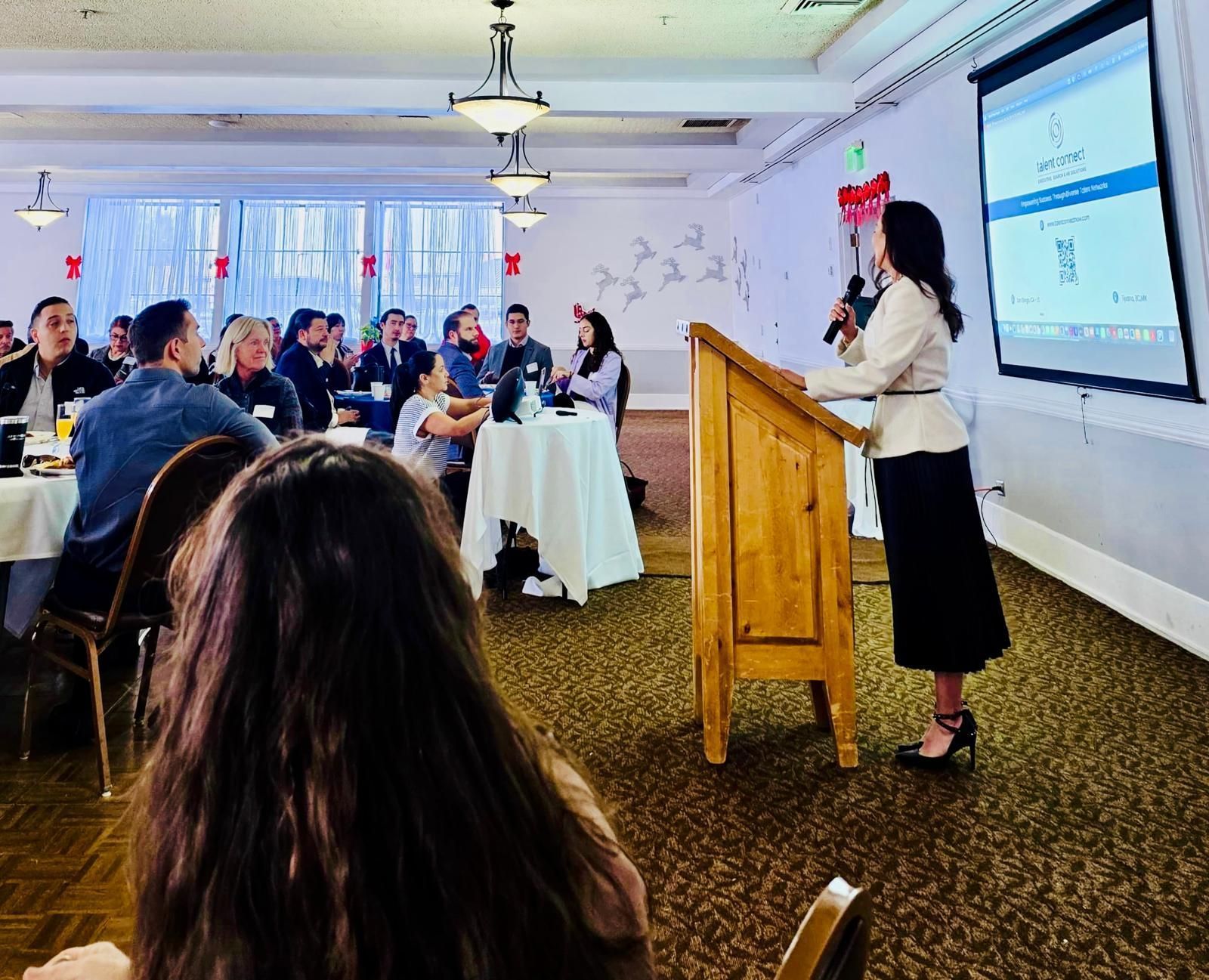
✨ Wrapping Up the Year at the Otay Mesa Holiday Member Breakfast ✨
By Lizzette Weber November 24, 2025
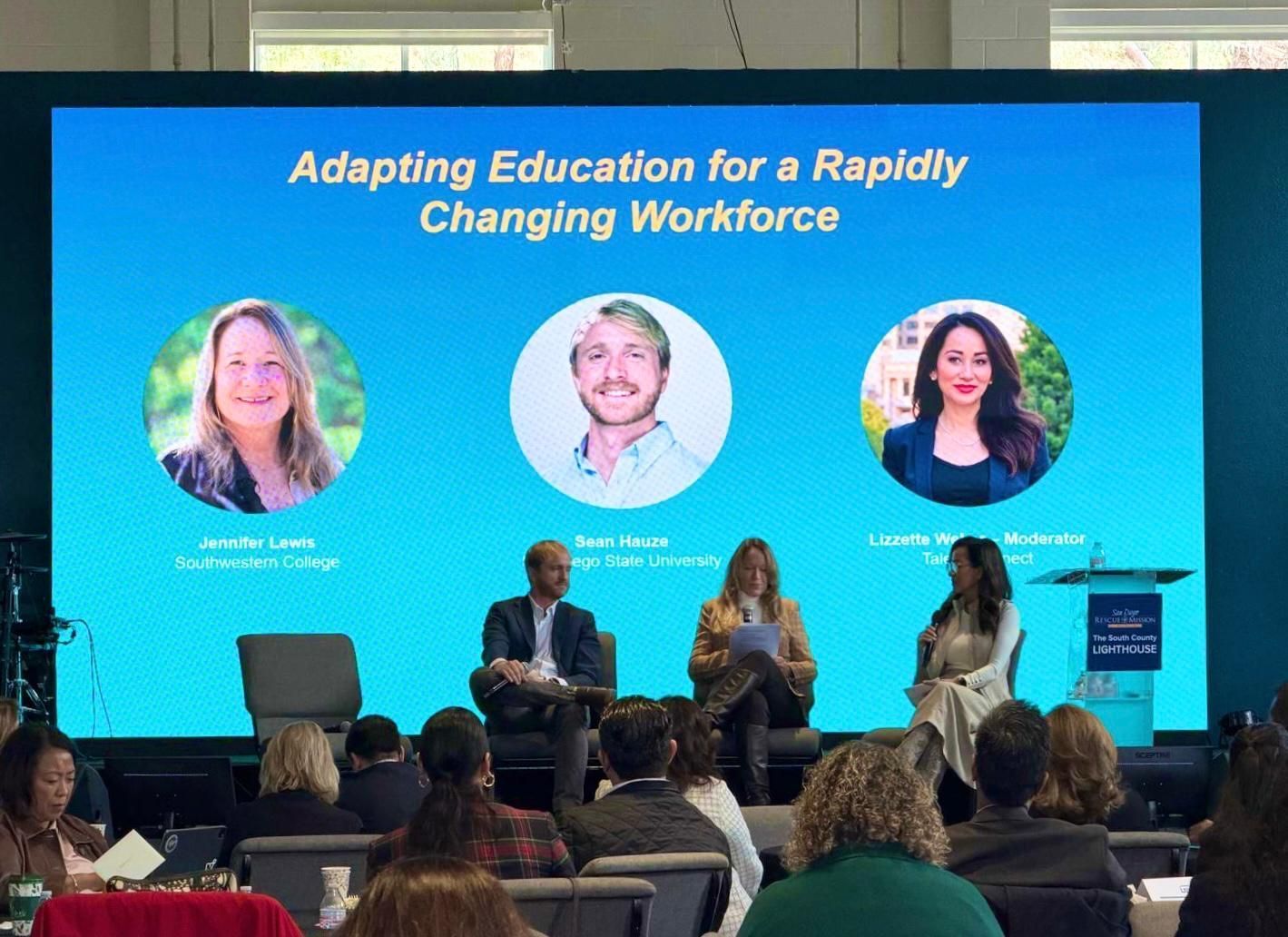
✨ Talent Connect at the 2025 Workforce & Education Forum ✨ Hosted by South County EDC — Nov 21, 2025 We were proud to sponsor and participate in this important conversation on aligning education with workforce needs. Our founder, Lizzette Weber , served as a panel moderator, bringing her expertise as a mediator to guide discussions with educators, employers, and community leaders. Keynote Highlight: Tina Ngo Bartel shared insights on connecting education, workforce trends, and community needs—showing how collaboration can build a stronger, more equitable workforce for South County. Other incredible participants included: Jennifer Lewis (Southwestern College) | Sean Hauze, Ph.D. (SDSU) | Jorge Marquez & Toni Giffin (Goodwill) | Donna San Miguel (CSUSM) | Claudia Huerta, MSUP (MAAC) | Yoli Soler (High Tech High Chula Vista) 🤝 Events like this remind us that strong communities start with strong talent pathways.
By Lizzette Weber November 21, 2025
Let’s face it—free snacks, ping-pong tables, and casual Fridays may look good on a job post, but they won’t keep your best people around. The truth is simple but powerful: “People don’t leave jobs—they leave toxic cultures.” We’ll break down why culture—not perks—is the real key to retaining top talent, backed by data and practical solutions. The Cost of Turnover (And What’s Driving It) Turnover isn’t just a nuisance—it’s expensive. On average, it costs 33% of an employee’s annual salary to replace them. But beyond the financial hit, turnover damages morale, slows momentum, and strains team trust. So, what’s making people leave? According to Gallup: • 52% of exiting employees say their organization could have done something to keep them • Employees who feel their employer cares about their well-being are 69% less likely to actively look for another job • Organizations with high engagement report: - 18% less turnover - 23% higher profitability - 43% lower absenteeism The numbers don’t lie: Retention is a culture issue. 5 Proven Drivers of Retention Culture isn’t abstract—it’s built through the day-to-day experiences people have at work. Here are the five most impactful ways to increase retention based on research and experience: 1. Career Growth & Development People stay where they can grow. Offer learning opportunities, mentorship, and clear advancement paths to keep top talent engaged and future-focused. • Companies that invest in employee development see up to 34% higher retention . 2. Intentional Onboarding Retention starts on Day One . An intentional, people-centered onboarding process builds confidence, clarity, and connection. • A strong onboarding experience can improve new hire retention by 82%. 3. Transparent Leadership Trust in leadership is one of the strongest predictors of engagement. When leaders communicate openly and authentically, people feel safe and aligned. • Psychological safety is linked to higher performance and lower turnover. 4. Flexibility & Autonomy Employees today prioritize work-life alignment. Whether through remote options, flexible hours, or hybrid schedules—adaptability is key. • 40% of workers say flexibility is a top reason for staying in a role (McKinsey). 5. Recognition & Belonging Feeling appreciated isn’t optional—it’s essential. Create a culture where wins are celebrated, voices are heard, and individuality is honored. • Teams with high recognition cultures see 31% lower voluntary turnover. Warning Signs You're Losing Good People If you’re noticing: • Repeat backfills for the same roles • “Quiet quitting” or disengagement • Top performers exploring other offers …it’s time to stop reacting—and start intentionally shaping your culture. Build a Culture Worth Staying For At Talent Connect , we partner with organizations to design hiring and retention strategies that support long-term growth, not just quick fills.  We believe: • Hiring should reflect your culture, not just your job description • Onboarding should be engaging, not just administrative • Culture should retain—not repel—your best people Ready to Strengthen Your Team? Talent Connect helps mission-driven organizations build teams that thrive—through strategic hiring, employer branding, and retention-focused recruiting. Let’s build a culture your people want to stay in. Book a free strategy call or reach out to us at info@talentconnect.com
By Lizzette Weber June 26, 2025
The News Continues at Talent Connect! 🌟
By Lizzette Weber June 26, 2025
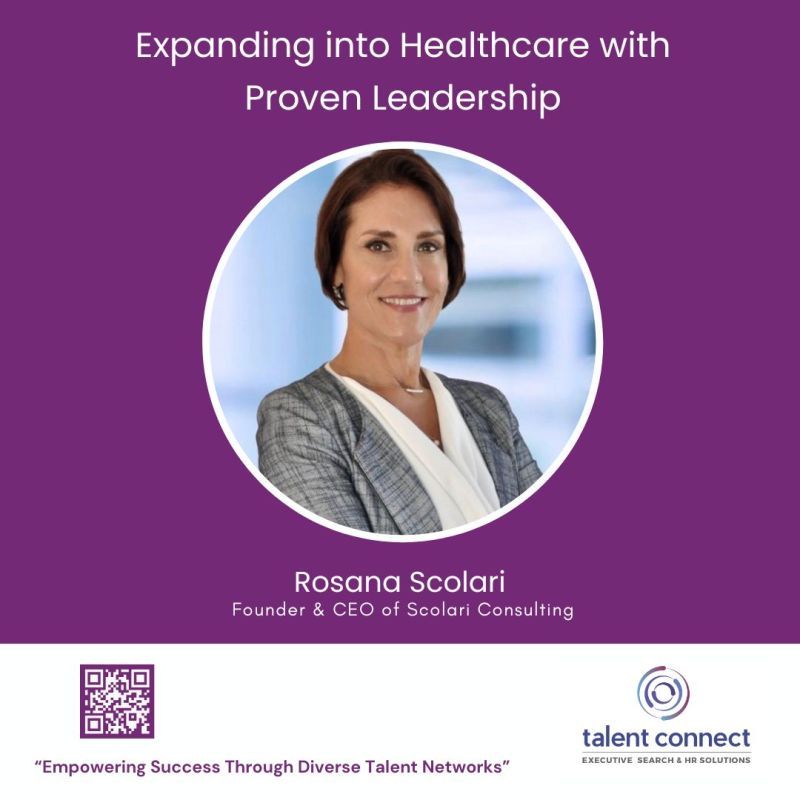
Leading with Purpose: Lizzette Weber Begins Her Second Term on the Chula Vista Chamber of Commerce Board of Directors
By Lizzette Weber May 5, 2025
Staying in Compliance Matters – Let's Be Informed!